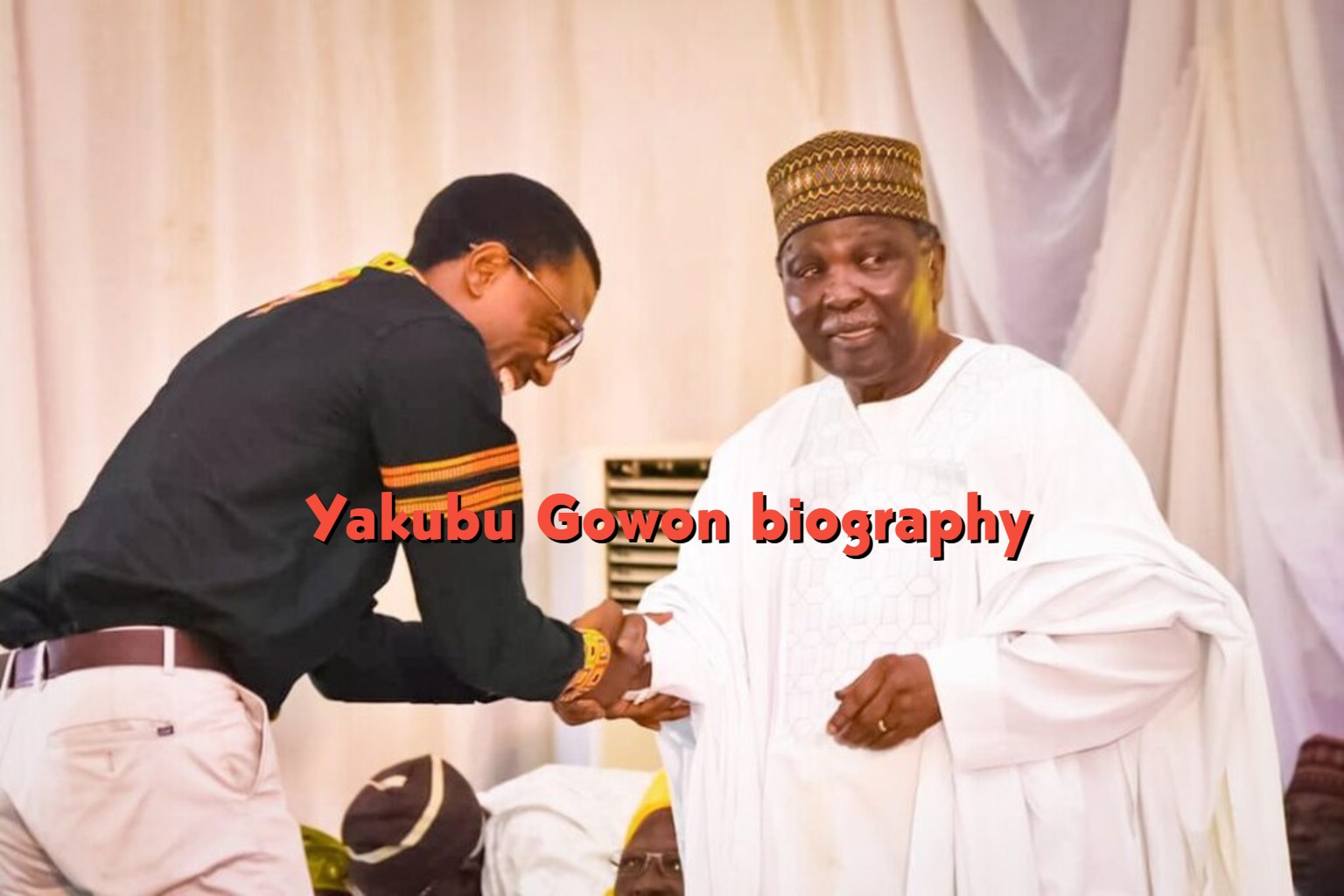
Yakubu Gowon Biography explores the early life, education, military career, leadership as Nigeria’s former Head of State, net worth, wife, family, and life after public office. It provides a comprehensive account of the retired army general who led Nigeria through the Civil War and later became one of the country’s most respected advocates for peace, reconciliation, and national unity.
Yakubu Dan-Yumma Gowon is a retired Nigerian Army General and former Head of State who played a defining role in shaping Nigeria during one of the country’s most challenging periods. Best known for leading Nigeria between 1966 and 1975, Gowon became Head of State at just 31 years old after a period of political instability.
His administration oversaw the Nigerian Civil War, post-war reconstruction, and major constitutional changes that continue to influence the country’s political structure.
Although his years in power remain the subject of historical debate, Gowon is widely respected for promoting reconciliation after the civil war through his famous policy of “No Victor, No Vanquished.” Rather than encouraging division after the conflict, his government pursued programmes aimed at rebuilding affected communities and fostering national integration. Decades after leaving office, he has remained active in peacebuilding initiatives and interfaith dialogue, earning recognition as one of Nigeria’s elder statesmen.
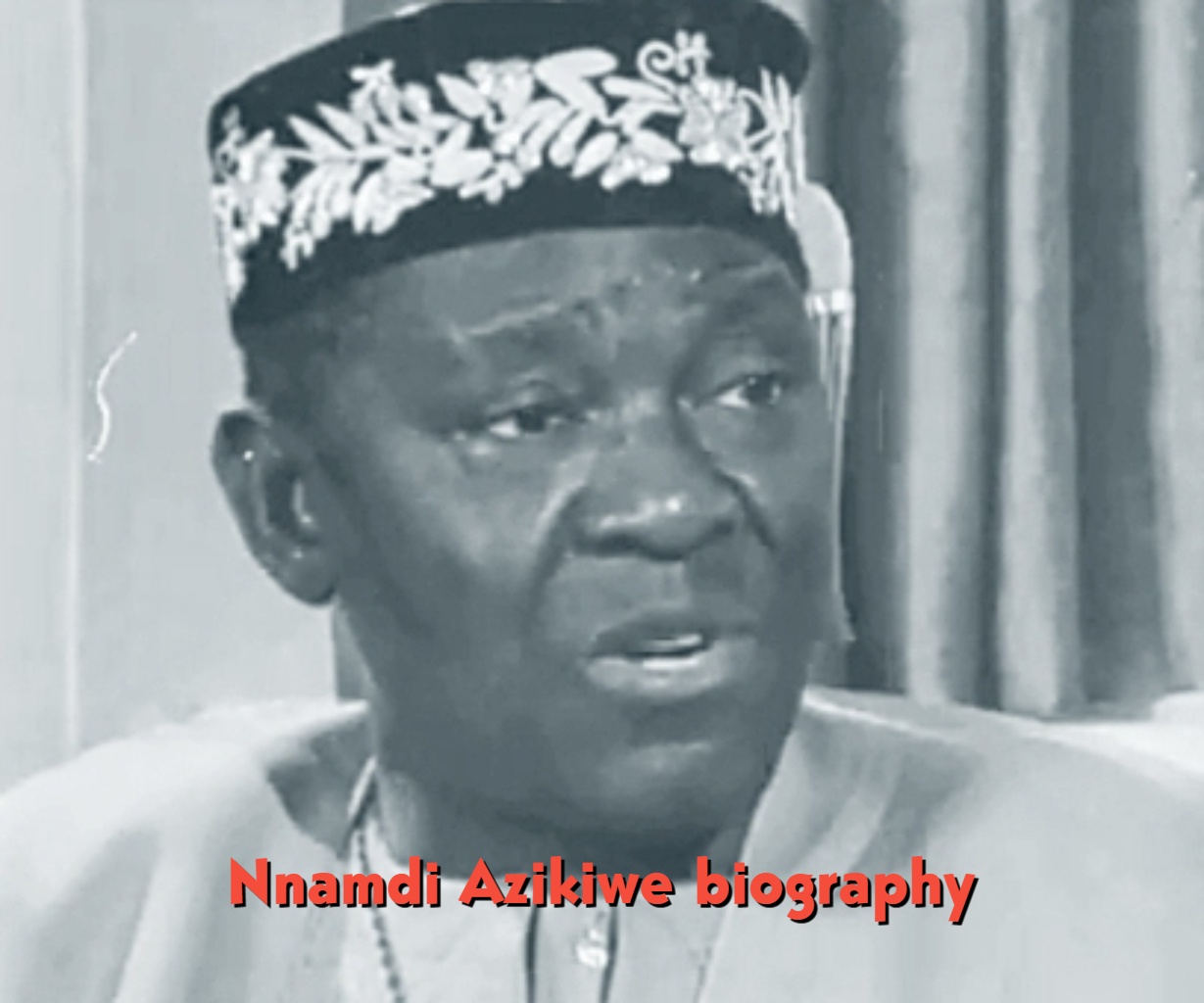
See also: Nnamdi Azikiwe Biography: Age, Wife, Education, Tribe, Family, Career & Early Life (2026)
Yakubu Gowon Biography Highlights
- Full Name: Yakubu Dan-Yumma Gowon
- Date of Birth: October 19, 1934
- Age: 91 years (as of 2026)
- Place of Birth: Pankshin, Plateau State, Nigeria
- Nationality: Nigerian
- Estimated Net Worth: $5 million–$10 million
- Education: Military training in Nigeria, Ghana, and the United Kingdom
- Profession: Soldier, Former Head of State
- Military Rank: General (Retired)
- Wife:Victoria Zakari Gowon
Yakubu Gowon Early Life
Yakubu Dan-Yumma Gowon was born on October 19, 1934, in Pankshin, present-day Plateau State, into a Christian family of Angas heritage. Although his roots trace back to Northern Nigeria, his upbringing exposed him to people from different ethnic and religious backgrounds, an experience that later influenced his commitment to national unity.
Growing up during British colonial rule, Gowon witnessed a society undergoing political and social transformation. His family placed strong emphasis on discipline, education, and service, values that remained evident throughout his military and public life.
Yakubu Gowon Family and Upbringing
Gowon’s father, Nde Yohanna Gowon, worked as a teacher and missionary, while his mother was also actively involved in Christian ministry and community development.
Their dedication to education and faith created an environment that encouraged honesty, responsibility, and respect for others. Friends and colleagues have often described Gowon’s calm personality and measured decision-making as qualities that reflected his upbringing.
Yakubu Gowon Education
Military Education
Unlike many political leaders who pursued conventional university education before entering public service, Gowon began his professional development through military training.
In 1954, he enlisted in the Nigerian Military Training College in Kaduna, where he began preparing for a career in the armed forces.
As his military career progressed, he attended several advanced training programmes, including courses at the Royal Military Academy Sandhurst in the United Kingdom and military institutions in Ghana and Staff College, Camberley, where he studied command, leadership, and strategic operations.
Yakubu Gowon Professional Development
The combination of domestic and international military education equipped Gowon with operational, administrative, and leadership skills that proved valuable as Nigeria faced constitutional crises during the 1960s.
His exposure to international military institutions also broadened his understanding of defence management, diplomacy, and multinational cooperation, qualities that later influenced his approach to governance and foreign policy.
Yakubu Gowon Career / Professional Journey
Beginning His Military Career
Yakubu Gowon received his commission into the Nigerian Army in the mid-1950s and steadily advanced through the ranks during the years preceding Nigeria’s independence.
He served in several operational and administrative capacities, earning recognition for professionalism, discipline, and loyalty. During this period, he participated in peacekeeping assignments and military operations that enhanced his leadership experience.
By the mid-1960s, Gowon had become one of the country’s promising young military officers, respected by colleagues across different regions of Nigeria.
Yakubu Gowon Rise to National Leadership
Nigeria’s political climate changed dramatically in 1966 following two military coups that resulted in the deaths of several senior political and military leaders.
Amid the constitutional crisis and deep regional tensions, Gowon emerged as a compromise candidate acceptable to many sections of the armed forces. At only 31 years old, he became Head of the Federal Military Government, making him one of the youngest national leaders in the world at the time.
His immediate priorities included restoring stability, preserving Nigeria’s territorial integrity, and rebuilding confidence within both the military and civilian population.
Leadership During the Nigerian Civil War
One of the defining moments of Gowon’s administration came in 1967, when the Eastern Region declared independence as the Republic of Biafra.
The declaration triggered the Nigerian Civil War, a conflict that lasted until 1970 and remains one of the most significant events in the country’s history.
Throughout the conflict, Gowon’s government maintained that preserving Nigeria as one united nation was essential for long-term stability. Following the end of the war, he announced the policy of “No Victor, No Vanquished,” emphasizing reconciliation instead of retaliation.
His administration introduced rehabilitation, reconstruction, and reintegration programmes aimed at rebuilding communities affected by the conflict and restoring national unity.
Governance and Major Reforms
Beyond the civil war, Gowon’s administration implemented several important national policies.
His government created twelve states in 1967, replacing Nigeria’s regional structure in an effort to reduce ethnic tensions and improve administrative efficiency.
The period also witnessed major investments in:
- Road infrastructure
- Educational expansion
- Health services
- Public institutions
- Economic planning
Supported by rising oil revenues during the 1970s, the federal government embarked on ambitious development projects while strengthening Nigeria’s diplomatic influence across Africa.