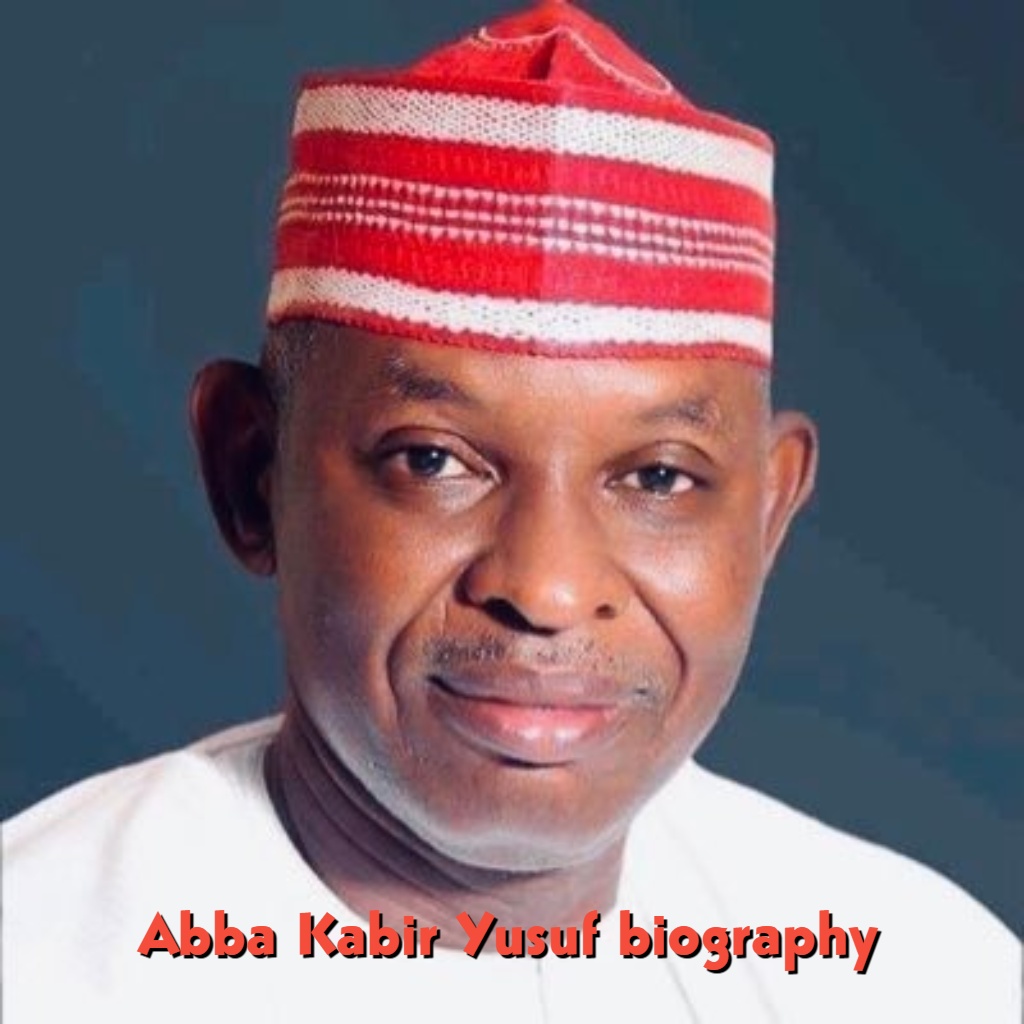
If you’re searching for Abba Kabir Yusuf biography, this guide covers everything about the Kano State governor, including his age, date of birth, wife, education, family background, political career, net worth, achievements, and his rise to becoming one of Nigeria’s most prominent political figures.
When conversations about influential politicians in northern Nigeria come up, the name Abba Kabir Yusuf is almost impossible to ignore. Popularly known as “Abba Gida-Gida,” he has become one of the most recognizable political figures in Kano State, largely because of his long association with the Kwankwasiyya Movement and his eventual emergence as governor after years of political struggle.
His journey to the Kano Government House was anything but straightforward. Before becoming governor, Abba Kabir Yusuf had worked as an engineer, served in several government appointments, managed one of Kano State’s biggest ministries, lost a fiercely contested governorship election in 2019, and returned four years later to secure victory in another historic election. Even after being declared winner, his mandate was challenged in court before the Supreme Court finally affirmed his election in January 2024.
Today, Abba Kabir Yusuf leads one of Nigeria’s most politically significant states, with his administration focusing on education, infrastructure, healthcare, agriculture, youth empowerment, and social welfare.
In this article, you’ll discover everything about Abba Kabir Yusuf biography.
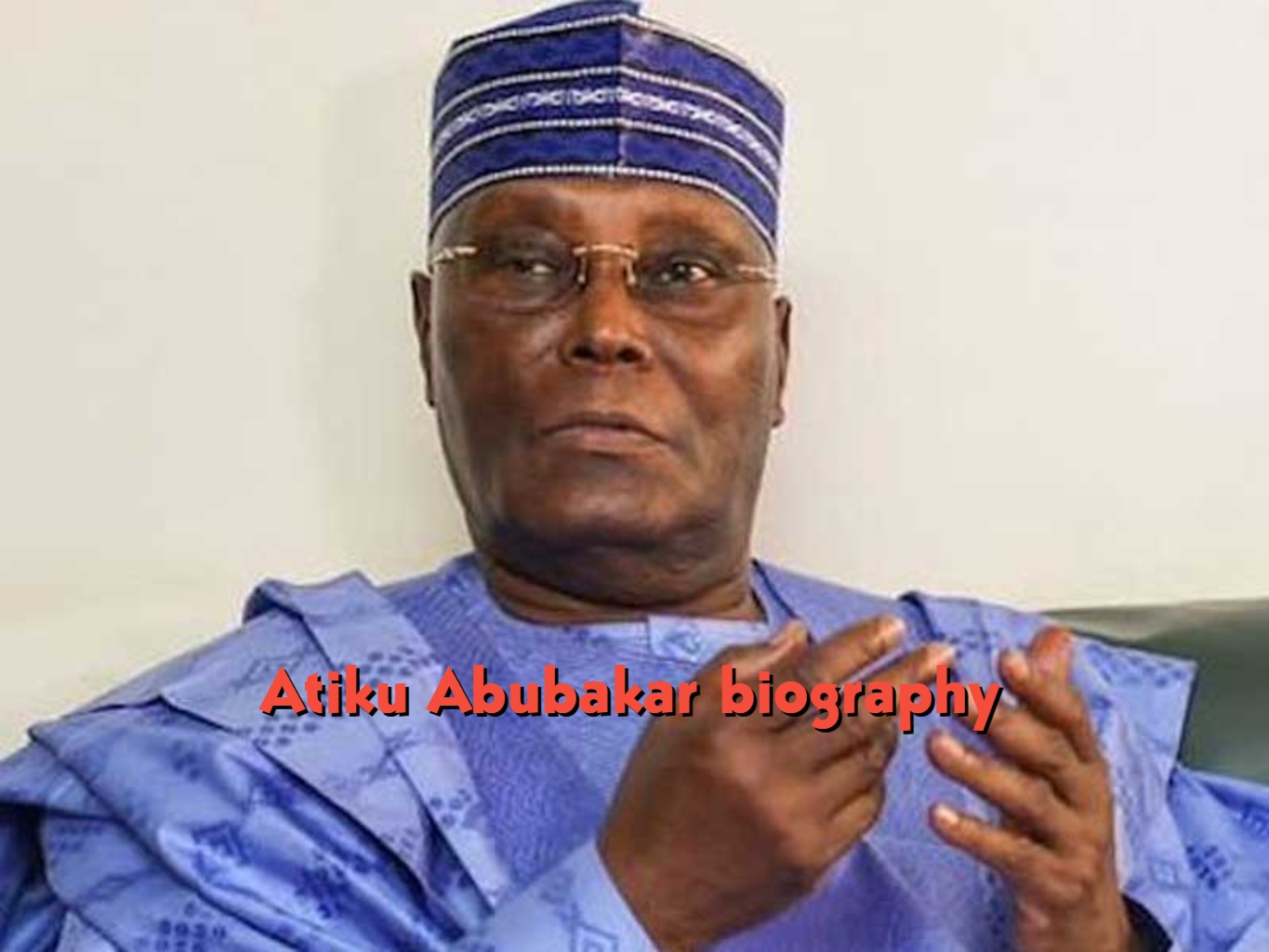
See more: Atiku Abubakar Biography
Abba Kabir Yusuf Biography Highlights
- Full Name: Engr. Abba Kabir Yusuf
- Popular Name: Abba Gida-Gida
- Date of Birth: January 5, 1963
- Age: 63 years (as of 2026)
- Place of Birth: Gaya Local Government Area, Kano State
- State of Origin: Kano State
- Nationality: Nigerian
- Religion: Islam
- Occupation: Civil Engineer, Politician
- Political Party: New Nigeria Peoples Party (NNPP)
- Current Position: Governor of Kano State
- Education: Federal Polytechnic Mubi, Kaduna Polytechnic, Bayero University Kano
- Marital Status: Married
- Children: Two
Abba Yusuf Early Life and Family Background
Abba Kabir Yusuf was born on January 5, 1963, in Gaya Local Government Area of Kano State, one of the oldest emirate communities in northern Nigeria.
He grew up in a traditional Muslim family where both Islamic and western education were highly valued. His grandfather, Alhaji Yusuf Bashari, was the District Head of Gaya, making leadership, community service, and public responsibility part of the environment in which he was raised.
Like many children in northern Nigeria during that period, his early education combined Qur’anic studies with formal western schooling. Those early experiences helped shape the discipline and values that would later define his public career.
Although he would eventually become one of Kano’s most influential politicians, Abba Kabir Yusuf’s childhood was far removed from politics. His earliest ambitions revolved around education and professional development, eventually leading him into engineering before politics found him.
Growing up in Kano also exposed him to one of Nigeria’s busiest commercial and political environments. The state’s influence on national politics would later become a significant part of his own journey.
Abba Yusuf Educational Background
Abba Kabir Yusuf’s educational journey reflects his strong interest in engineering, administration, and leadership.
He began his formal education at Sumaila Primary School, where he completed his primary education before moving to Government Secondary School, Dawakin Tofa. He later finished his secondary education at Government Secondary School, Lautai, Gumel, graduating in 1980.
After secondary school, he proceeded to Federal Polytechnic Mubi in Adamawa State, where he obtained a National Diploma (ND) in Civil Engineering in 1985.
His desire to advance professionally took him to Kaduna Polytechnic, where he earned a Higher National Diploma (HND) in Civil Engineering, specializing in Water Resources and Environmental Engineering, in 1989.
Following graduation, he completed the mandatory National Youth Service Corps (NYSC) programme at the Kaduna Environmental Protection Agency (KEPA), gaining practical experience in environmental management and public service.
Rather than ending his education there, Yusuf later enrolled at Bayero University Kano, where he obtained a Postgraduate Diploma in Management before earning a Master of Business Administration (MBA).
This combination of engineering and business administration has remained one of the strongest aspects of his professional profile. Throughout his public career, supporters have often pointed to his technical background as one of the reasons behind his emphasis on infrastructure development and public sector reforms.
Abba Yusuf Engineering Career Before Politics
Long before contesting elections, Abba Kabir Yusuf had already built a respectable career as a civil engineer.
After completing his NYSC programme, he joined the Kano State Water Resources Engineering and Construction Agency (WRECA), where he worked on engineering and infrastructure projects.
He later served at the Kano State Water Board and the Ministry of Water Resources, taking on technical and administrative responsibilities that exposed him to water supply systems, environmental planning, and public infrastructure development.
Those years provided him with practical experience in project management, engineering supervision, and government administration. They also introduced him to the realities of public service and the challenges of delivering infrastructure in one of Nigeria’s fastest-growing states.
Although engineering remained his profession, his growing involvement in government gradually brought him closer to politics.
How Abba Kabir Yusuf Entered Politics
Unlike many politicians who began their careers through student activism or private business, Abba Kabir Yusuf entered politics through public administration.
His political rise is closely linked to former Kano State Governor Rabiu Musa Kwankwaso, one of the most influential political figures in northern Nigeria.
During Kwankwaso’s first administration between 1999 and 2003, Yusuf served as Personal Assistant and later Special Assistant (Administration) to the governor.
The role exposed him to policy implementation, government coordination, and political organization at the state level. It also marked the beginning of a relationship that would later shape Kano politics for more than two decades.
Following the end of Kwankwaso’s first tenure, Yusuf continued his public service career at the federal level, serving as Personal Assistant to the Minister of Defence between 2003 and 2007.
In 2009, he was appointed Chairman of the Governing Board of the National Institute for Educational Planning and Administration (NIEPA), Ondo State, a position that further broadened his administrative experience before returning to Kano politics.
By the time Kwankwaso returned as governor in 2011, Abba Kabir Yusuf had established himself as one of his most trusted political associates.
Commissioner for Works, Housing and Transport
One of the defining moments in Abba Kabir Yusuf’s career came in 2011, when Governor Rabiu Musa Kwankwaso appointed him Commissioner for Works, Housing and Transport.
The ministry was one of the largest and most strategic in Kano State, overseeing road construction, urban renewal, housing projects, drainage systems, bridges, and transportation infrastructure.
Serving in that capacity between 2011 and 2015, Yusuf supervised numerous capital projects across Kano. His engineering background made the appointment a natural fit, and many of the administration’s infrastructure programmes were implemented during this period.
His visibility increased significantly as he became one of the most active commissioners in the Kwankwaso administration. Frequent inspections, project commissioning, and public engagements helped establish him as a familiar figure across the state.
Political observers widely regard this period as the foundation of his later governorship ambition. It was during these four years that he built extensive relationships with community leaders, party stakeholders, contractors, civil servants, and grassroots supporters across Kano.
By the time the administration left office in 2015, Abba Kabir Yusuf had transformed from a government technocrat into one of the state’s most recognizable political figures.
Abba Yusuf First Attempt at Becoming Governor
After years of serving in appointed positions, Abba Kabir Yusuf finally sought elective office in 2019 when he contested the Kano State governorship election.
Running on the platform of the Peoples Democratic Party (PDP), he challenged the incumbent governor, Abdullahi Umar Ganduje, in what quickly became one of Nigeria’s closest governorship contests.
The election attracted national attention because of Kano’s political importance and the fierce rivalry between the two major political camps.
Voting was initially declared inconclusive by the Independent National Electoral Commission (INEC), leading to a supplementary election in selected polling units across the state.
Following the supplementary poll, Ganduje was declared the winner by a narrow margin of fewer than 9,000 votes.
Yusuf rejected the outcome and challenged the result through the election tribunal, the Court of Appeal, and eventually the Supreme Court. Although the courts ultimately upheld Ganduje’s victory, the election significantly strengthened Yusuf’s political profile.
Rather than disappearing from the political scene after the defeat, he remained active across Kano State, continued grassroots mobilization, and steadily expanded his support base.
Many analysts now see the 2019 election as the experience that prepared him for what would become the biggest victory of his political career four years later.
Abba Yusuf Winning the 2023 Governorship Election
Four years after falling short at the polls, Abba Kabir Yusuf returned to contest the 2023 Kano State governorship election, this time under the platform of the New Nigeria Peoples Party (NNPP).
His defection from the Peoples Democratic Party (PDP) to the NNPP, alongside former Governor Rabiu Musa Kwankwaso and thousands of supporters, dramatically reshaped Kano’s political landscape. Within months, the NNPP had grown into one of the strongest political forces in the state, with Yusuf emerging as its governorship candidate.
Throughout the campaign, he promised to restore public confidence in government by prioritizing education, healthcare, youth empowerment, agriculture, infrastructure, and social welfare. He also pledged to continue policies that would improve the living standards of ordinary residents, especially women, young people, traders, and rural communities.
The election, held on March 18, 2023, was one of the most closely followed governorship contests in Nigeria.
After the collation of results, the Independent National Electoral Commission (INEC) declared Abba Kabir Yusuf the winner with 1,019,602 votes, defeating the APC candidate, Nasiru Yusuf Gawuna, who polled 890,705 votes.
Supporters celebrated the victory across Kano State, describing it as a major political comeback after the narrow defeat four years earlier.
On May 29, 2023, Abba Kabir Yusuf took the oath of office as the Governor of Kano State.
However, his election would soon become the subject of one of Nigeria’s longest post-election legal battles.
Supreme Court Judgment That Confirmed His Victory
Barely a few months after assuming office, Abba Kabir Yusuf’s victory came under legal challenge.
The Governorship Election Petition Tribunal nullified his election and declared the APC candidate as the winner, a judgment that generated widespread reactions across Kano and beyond.
The legal battle continued at the Court of Appeal, which also delivered a judgment against Yusuf, further prolonging uncertainty over who would ultimately govern the state.
Determined to defend his mandate, Yusuf appealed to the Supreme Court of Nigeria.
In January 2024, the Supreme Court overturned the earlier judgments and unanimously affirmed Abba Kabir Yusuf as the duly elected Governor of Kano State, bringing months of political uncertainty to an end.
The verdict was celebrated by his supporters and effectively closed one of the country’s most talked-about governorship disputes following the 2023 general elections.
Abba Yusuf Governorship and Major Policies
Since taking office, Governor Abba Kabir Yusuf has repeatedly stated that his administration is focused on improving the quality of life for the people of Kano State.
One of his earliest decisions was declaring a state of emergency in the education sector, describing education as the foundation for sustainable development. His administration increased budgetary allocation to schools, approved the rehabilitation of public educational institutions, recruited teachers, expanded scholarship programmes, and introduced measures aimed at improving learning conditions across the state.
Healthcare has also remained one of the administration’s major priorities.
The government has invested in upgrading hospitals and primary healthcare centres, improving maternal and child healthcare services, recruiting medical personnel, and expanding access to essential healthcare, particularly in underserved communities.
Infrastructure development has continued to receive considerable attention.
Road construction and rehabilitation projects have been initiated across several local government areas, alongside drainage improvements, public building renovations, and urban renewal programmes designed to improve transportation and economic activities.
Agriculture, another important sector in Kano’s economy, has equally benefited from government interventions.
The administration has supported farmers through fertilizer distribution, improved seedlings, mechanized farming initiatives, irrigation projects, and partnerships aimed at increasing food production and boosting rural incomes.
Youth empowerment has become another recurring theme of the administration.
Several programmes have been introduced to promote vocational training, entrepreneurship, skills acquisition, and employment opportunities for young people, while social intervention initiatives have targeted women and vulnerable groups across the state.
Although, like every administration, Yusuf’s government has faced criticism from political opponents over some decisions and appointments, supporters argue that his emphasis on education and social welfare reflects the promises made during his campaign.
As his tenure progresses, many analysts believe his long-term legacy will largely depend on the sustainability of these reforms and their impact on the everyday lives of Kano residents.
Abba Yusuf Personal Life
Despite spending decades in public service, Abba Kabir Yusuf has remained relatively private when it comes to his family.
He is married and blessed with children, though he rarely discusses his wife or family during political engagements or media interviews.
Outside politics, Yusuf is known for his interest in engineering, community development, education, and philanthropy. Those who have worked with him often describe him as calm, approachable, and deeply committed to grassroots politics.
His nickname, “Abba Gida-Gida,” has become one of the most recognized political brands in Kano State, symbolizing his close relationship with supporters and his longstanding association with the Kwankwasiyya Movement.
Abba Kabir Yusuf Net Worth
As of 2026, Abba Kabir Yusuf’s estimated net worth is between $2 million and $6 million. Although the Kano State governor has never publicly disclosed his total assets or personal wealth, his estimated net worth is believed to have been accumulated through his long career in public service, engineering, political appointments, and private investments.
Like many Nigerian public office holders, there is no official record confirming the exact value of his assets. As such, the figure above should be regarded as an informed estimate based on publicly available information rather than an officially verified valuation.
FAQs About Abba Kabir Yusuf
Who is Abba Kabir Yusuf?
Abba Kabir Yusuf is a Nigerian politician, civil engineer, and the Governor of Kano State. He assumed office on May 29, 2023, after winning the 2023 governorship election.
How old is Abba Kabir Yusuf?
He was born on January 5, 1963, making him 63 years old as of 2026.
Where is Abba Kabir Yusuf from?
He is from Gaya Local Government Area of Kano State, Nigeria.
What is Abba Kabir Yusuf’s educational qualification?
He obtained a National Diploma in Civil Engineering from Federal Polytechnic Mubi, a Higher National Diploma from Kaduna Polytechnic, and later earned postgraduate qualifications, including an MBA, from Bayero University Kano.
Is Abba Kabir Yusuf married?
Yes. He is married, although he keeps details about his family away from the public.
Which political party does Abba Kabir Yusuf belong to?
Abba Kabir Yusuf was elected Governor of Kano State on the platform of the New Nigeria Peoples Party (NNPP).
What is Abba Kabir Yusuf’s net worth?
His estimated net worth in 2026 ranges between $2 million to $6 million.
Conclusion
Abba Kabir Yusuf’s political journey reflects resilience, patience, and years of public service. From building a career as a civil engineer to serving in strategic government positions and eventually becoming Governor of Kano State, his rise has been shaped by persistence and a strong connection with grassroots politics.
His narrow defeat in the 2019 governorship election could easily have marked the end of his ambition, but instead it became the foundation for an even stronger comeback in 2023. Winning the election—and later securing affirmation from the Supreme Court—cemented his place as one of the most influential political figures in Kano’s recent history.
As governor, his administration has placed significant attention on education, healthcare, infrastructure, agriculture, youth empowerment, and social welfare. While opinions on his performance continue to differ across political lines, there is little doubt that his tenure has become an important chapter in Kano State’s political story.
Whether remembered for his engineering background, his years of public service, or his rise through the Kwankwasiyya political movement, Abba Kabir Yusuf remains a prominent figure whose policies and leadership will continue to shape discussions about governance in Kano State for years to come.